Rec Center
Where Twin Falls Kids Play, and Where They Can't
TL;DR:
Youth sports participation is at its highest level in over a decade nationally, but participation only matters if communities have the facilities to absorb demand. Twin Falls, a city of more than 57,000 residents and the regional hub for a metro area of over 122,000, has no public recreation center. Smaller neighboring cities do. Research consistently shows that access to dedicated recreation facilities is one of the strongest predictors of whether young people stay physically active. For Twin Falls families navigating waitlists, weather cancellations, and a patchwork of borrowed gyms every spring, the gap between demand and infrastructure is not abstract.
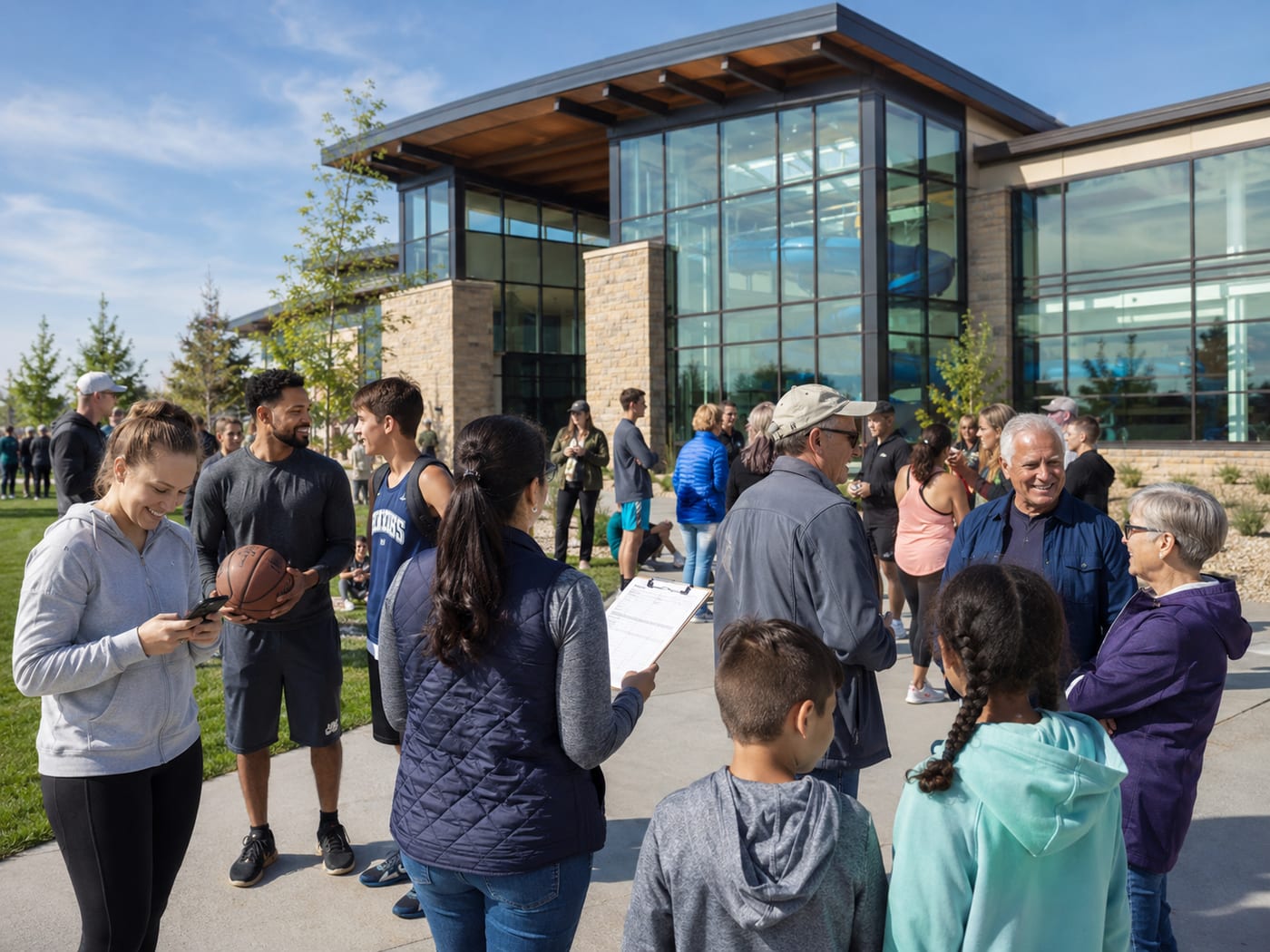
Every spring in Twin Falls, a familiar pattern repeats. Parents start making calls. Coaches send out scheduling emails. Families scramble to find out where practice will be held this year. The fields are booked. The gyms are full. And somewhere in the shuffle, a kid who wanted to play basketball or kick a soccer ball ends up on a waitlist instead of a roster.
That is not a minor inconvenience. For youth athletes in Twin Falls, the lack of dedicated, year-round indoor recreation space is a real barrier to participation. The consequences of that gap, according to a growing body of research, extend well beyond a missed season.
The participation picture
Youth sports participation is genuinely rising nationally. According to the Aspen Institute's State of Play 2025 report, 65 percent of youth ages 6 to 17 tried a sport at least once in 2024, the highest casual participation rate recorded by the Sports and Fitness Industry Association since at least 2012. Federal data from the National Survey of Children's Health puts regular organized participation at 55.4 percent of children ages 6 to 17 in 2023, up from 53.8 percent the year before.
Those are encouraging numbers. But they only mean something locally if communities have the facilities to meet the interest. In Twin Falls, a city of roughly 57,325 residents and the regional hub for a Magic Valley metro area of more than 122,000 people, the indoor recreation infrastructure has not kept pace.
When more kids want to play and fewer suitable venues exist to hold them, participation in a given community does not automatically rise with the national trend. It flattens, or it declines among the families who cannot afford to drive elsewhere for access.
What facility access actually does for young athletes
The relationship between physical spaces and youth activity is not theoretical. A 2023 study published through the National Institutes of Health found that adolescents who participate in organized team sports get between 23 and 60 percent of their daily moderate-to-vigorous physical activity directly from that participation. Remove the organized sport, and that activity does not automatically get replaced by something else.
This matters in a community where childhood obesity, screen time, and mental health are real concerns for parents and pediatricians. According to the Idaho Department of Health and Welfare, 28.1 percent of Idaho high school students described themselves as overweight or obese in 2021, and the state's adult obesity rate has climbed from 20.5 percent in 2001 to 31.6 percent over two decades. Those trends do not start in adulthood. They start with whether kids are moving.
The County Health Rankings and Roadmaps program, supported by the Robert Wood Johnson Foundation, rates improving access to places for physical activity as a strategy with "strong evidence" for increasing activity and improving fitness across urban, rural, and suburban settings. A recreation center is one of the most direct forms of that access a city can provide.
Beyond physical health, the federal Healthy People 2030 framework notes that youth sports participation is associated with improved social, academic, and economic outcomes for children and adolescents. According to the University of California San Diego's Division of Professional and Continuing Education, one long-term study found that children who participated in youth sports between the ages of 9 and 18 were five to six times more likely to be physically active as adults. That is not a marginal difference. That is a generational health outcome being shaped during the exact years when Twin Falls kids are either getting access to organized sports or not.
The spring crunch and the facility gap
Spring is when the pressure on local facilities peaks. Baseball and softball leagues compete for diamond time. Soccer clubs need turf. Track athletes need lanes. Indoor programs that ran through winter do not simply disappear; they overlap with the spring surge.
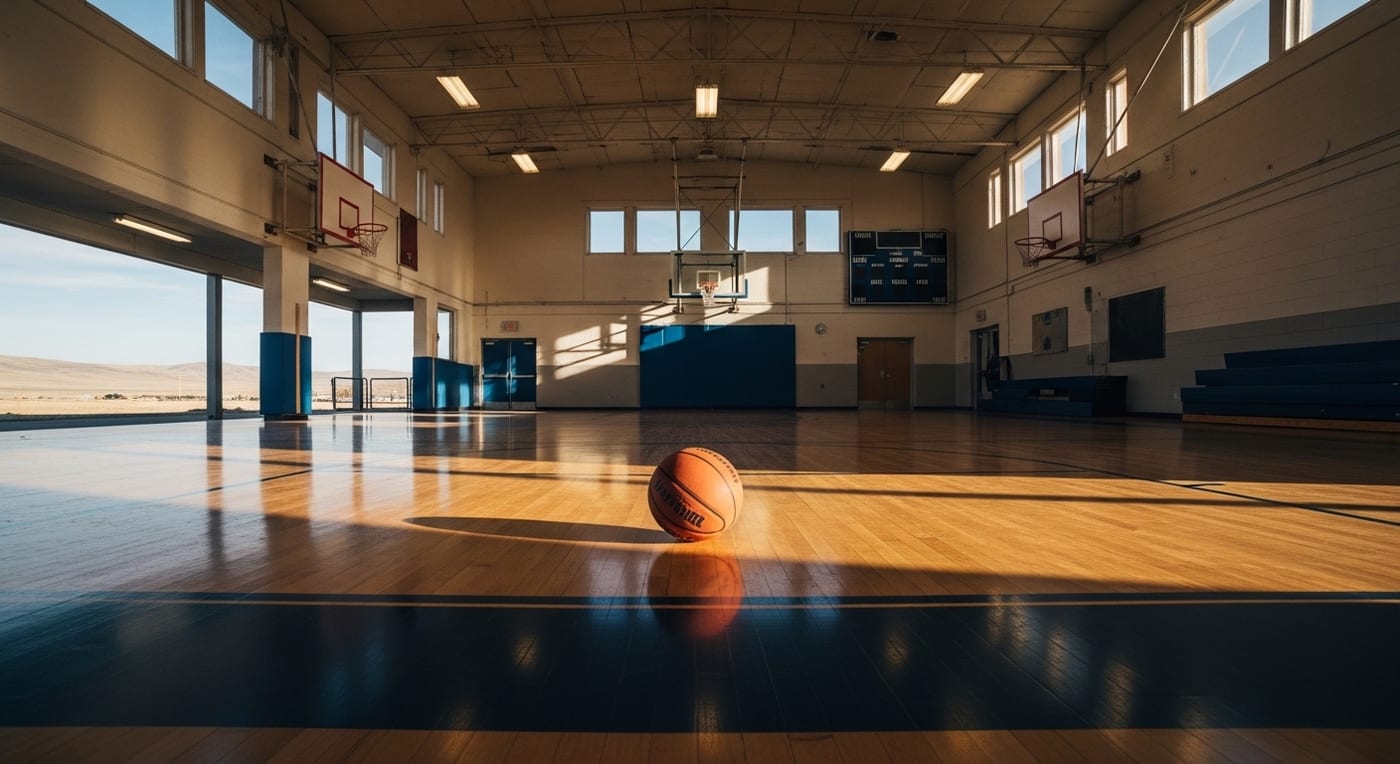
Right now, Twin Falls youth sports organizations manage this crunch with a patchwork of school gyms, church facilities, and outdoor parks that were not designed for the volume of use they are absorbing. School facilities, in particular, are not reliably available to community programs. Their primary obligation is to students during the school day and to school-sponsored activities in the evenings. Community access is limited, inconsistent, and subject to cancellation.
A dedicated recreation center changes that equation. Consider what a properly designed facility could offer Twin Falls youth athletes during spring season alone: indoor courts that remain available regardless of weather, dedicated space for sports instruction and conditioning, consistent scheduling that leagues and coaches can plan around months in advance, and accessible facilities for athletes with disabilities, a population often underserved by informal venue arrangements.
This is not a theoretical wish list. It is what nearby Idaho cities already provide.
The comparison Twin Falls has not yet made
Jerome, with roughly 13,000 residents, operates a 32,000-square-foot recreation center that includes a pool, basketball courts, an indoor walking track, group fitness classes, and both youth and adult sports programming. It is open from 5 a.m. to 9 p.m. on most weekdays.
Nampa, a city of roughly 110,000, opened its 140,000-square-foot recreation center in 1994. The facility pre-sold more than 13,000 charter memberships before the doors opened and has operated at 100 percent user-funded self-sufficiency for more than thirty years, generating roughly $3 million a year in user revenue with zero taxpayer subsidy.
Twin Falls has roughly four times Jerome's population and about half of Nampa's. It has no comparable facility. The city pool, built in the 1980s, serves approximately 60,000 users per year and is currently undergoing a $2 million-plus renovation. That facility handles aquatics. It does not address the broader indoor recreation gap.
What a recreation center would actually serve
A rec center in Twin Falls would not serve only competitive youth athletes. Seniors looking for low-impact fitness options, adults seeking league play, families wanting a safe indoor space during Idaho winters, and casual exercisers who currently drive to Jerome for access to an indoor track would all use the same facility. That breadth of use is what makes comparable facilities financially sustainable.
The Aspen Institute's research documents a widening income gap in youth sports participation, with the disparity between high-income and low-income children reaching 20.2 percentage points in 2024, up from 13.6 in 2012. Public recreation centers are one of the few proven interventions that narrow that gap, because they are priced for access rather than profit. The children most at risk of being left out of organized sports are the ones who benefit most from a facility that does not price-select.
Where the conversation stands
A recreation center committee within the Twin Falls Parks and Recreation Department has been studying this question since 2017. In June 2025, the Twin Falls City Council voted to advance the long-stalled feasibility study, directing the committee to identify a potential property and return with firmer numbers. Parks and Recreation Director Wendy Davis, speaking to KIVI-TV about the council's vote, said it "breathed a little bit of life into what I thought was a dying initiative."
Separately, a grassroots advocacy campaign has proposed naming a potential facility after U.S. Army Specialist Troy Carlin Linden, a soldier with the 54th Engineer Battalion who was killed in action on July 8, 2006, in Ar Ramadi, Iraq. The proposal comes from a Twin Falls resident who served in the same unit.
The conversation is active at both the city and community level. For the families navigating waitlists and borrowed gyms every spring, the question is how long the gap between demand and infrastructure continues to widen before the city decides to close it.
Frequently Asked Questions
Why can't Twin Falls youth sports just use school facilities? School facilities serve students and school-sponsored programming first. Community access is limited, inconsistent, and subject to cancellation when school needs take priority. A dedicated recreation center provides purpose-built space that leagues, coaches, and families can rely on year-round with consistent scheduling.
How much of a young person's physical activity comes from organized sports? A 2023 study published through the National Institutes of Health found that adolescents who participate in organized team sports get between 23 and 60 percent of their daily moderate-to-vigorous physical activity from that participation. When access to organized sports is removed, that activity level typically does not get replaced by other sources.
Would a recreation center only serve competitive athletes? No. Comparable facilities in Idaho serve the full community, including seniors, casual fitness users, families with young children, and adults seeking social recreation. Youth sports programming is one component of a broader offering that makes these facilities financially viable and broadly useful.
How does Twin Falls compare to other Idaho cities in recreation infrastructure? Twin Falls, at roughly 57,000 residents, has no public recreation center. Jerome, at about 13,000 residents, has operated one for decades. Nampa, at roughly 110,000, has operated a 140,000-square-foot facility at full user-funded self-sufficiency since 1994. Among Idaho cities of comparable size, Twin Falls is an outlier in lacking a dedicated public recreation facility.
Is Twin Falls actively considering a recreation center? A city committee has been studying the question since 2017. In June 2025, the City Council voted to advance the feasibility process. No specific site, cost, or funding mechanism has been finalized as of this writing.
Where can residents follow the conversation? Twin Falls City Council meetings are open to the public, and the Parks and Recreation Department posts updates on the city's official website. A community advocacy group is also tracking the issue at twinfallsreccenter.com.